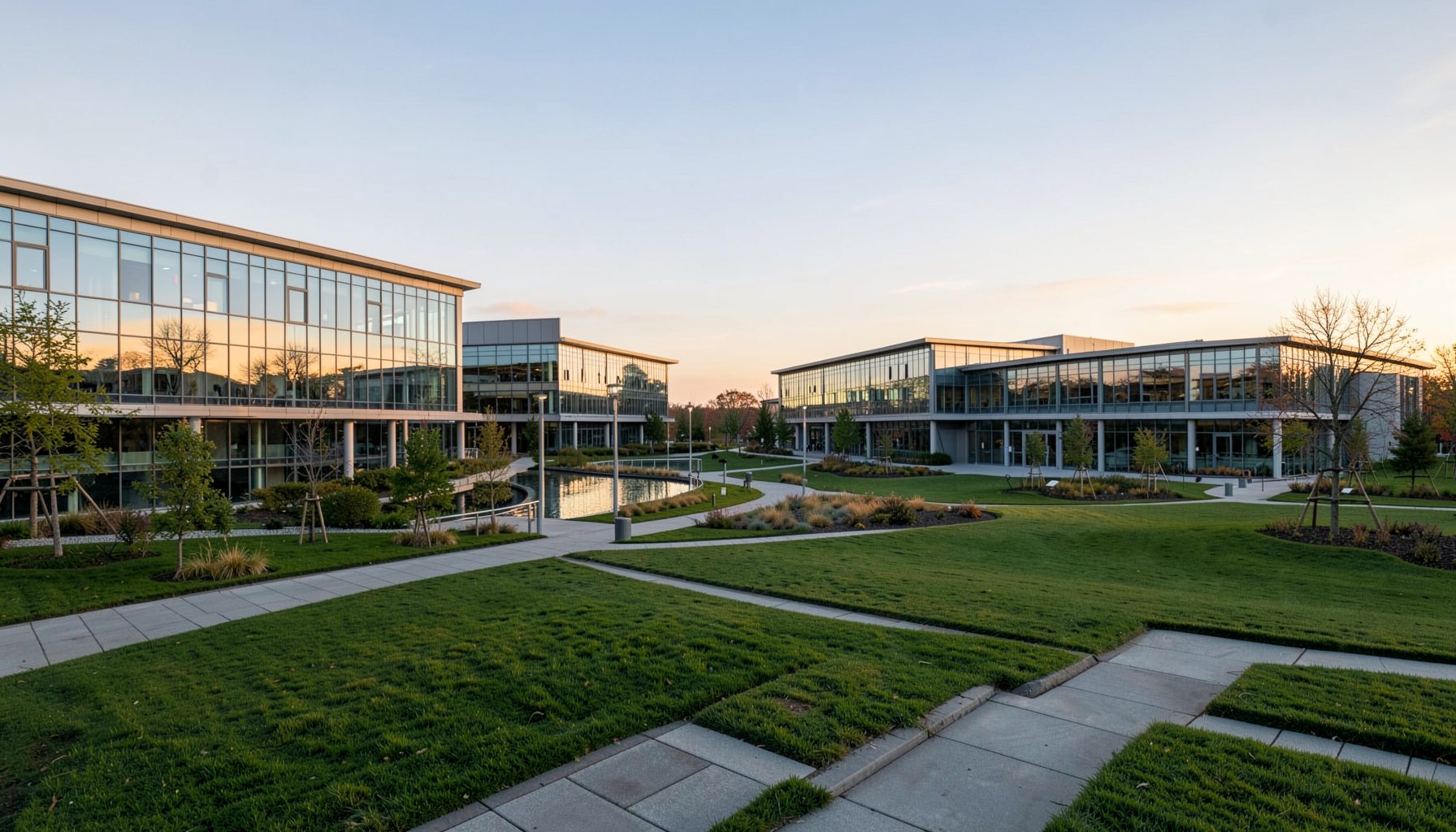
Connecting Federal Labs with American Industry
The Federal Laboratory Consortium for Technology Transfer bridges the gap between government research and commercial innovation, helping businesses access technologies developed across more than 300 federal laboratories nationwide.
Advancing Technology Transfer Across America
The FLC is a nationwide network of federal laboratories organized to promote the transfer of federally developed technologies to the private sector. Through seven regional operations spanning the country, the consortium connects businesses, entrepreneurs, and researchers with the expertise and innovations housed within government labs.


National Leadership
- Chair: Mr. C. Dan Brand
HHS/FDA — NCTR, Jefferson, AR - Vice Chair: Mr. Douglas Blair
Air Force Research Laboratory, Wright-Patterson AFB, OH - Washington D.C. Office:
1850 M Street, NW Suite 800
Washington, DC 20036 - Management Support:
UTRS, Inc., Cherry Hill, NJ
About the Consortium
The Federal Laboratory Consortium for Technology Transfer is composed of a Chair, Vice-Chair, Washington D.C. Representative, Executive Board, Executive Committee, National Advisory Council, Standing Committees, Regional Coordinators, a Management Support Office, and a Laboratory Locator service.
The FLC operates across seven regions — Far West, Mid-Continent, Midwest, Southeast, Mid-Atlantic, and Northeast — each with dedicated regional coordinators who maintain directories of federal laboratories and technology transfer contacts.
- ✓
Network of 300+ federal laboratories
- ✓
Seven regional operations nationwide
- ✓
Technology Locator Service for businesses
- ✓
Searchable database of available technologies
Learn how federal licensing turned a contaminated site into a community asset in our latest case study: A brownfield cleanup success through federal licensing. The Federal Laboratory Consortium for Technology Transfer serves as the vital bridge connecting federally funded research with the commercial marketplace. Across the nation, federal laboratories conduct groundbreaking work in areas ranging from advanced materials and biotechnology to manufacturing processes and data science. The consortium's mission is to ensure that taxpayer-funded discoveries do not remain locked away in government facilities, but instead find their way into products and services that improve everyday life. By facilitating partnerships between laboratory scientists and private-sector businesses, the FLC helps translate complex research into practical applications that drive economic growth and strengthen American competitiveness on the global stage.
Businesses of all sizes can benefit from the technology transfer opportunities made possible through the FLC network. Small startups seeking a competitive edge, established manufacturers looking to modernize their processes, and entrepreneurs exploring entirely new product categories all have pathways to access federally developed technologies. The consortium works to demystify the sometimes complex world of government research, making it approachable and actionable for companies that may not have prior experience working with federal agencies. Through these connections, private enterprise gains access to years of accumulated scientific knowledge and patented inventions that might otherwise remain underutilized.
The FLC organizes its nationwide reach through seven regional operations, each tailored to the unique industrial strengths and research priorities of its geographic area. This regional structure ensures that businesses can connect with laboratories and researchers in their own communities, fostering local innovation ecosystems and regional economic development. Whether a company is located near a major research university, a dedicated federal facility, or in a rural area with emerging technology needs, the regional network provides a familiar starting point for exploring partnership opportunities. The result is a truly national system that remains locally accessible and responsive.
Technology transfer is not merely about licensing patents or signing agreements; it is about building lasting relationships between the public and private sectors. The FLC encourages ongoing collaboration that extends well beyond a single transaction, fostering environments where researchers and business leaders can share knowledge, refine ideas, and co-develop solutions to pressing challenges. This collaborative spirit lies at the heart of the consortium's approach, recognizing that the most impactful innovations often emerge from sustained dialogue between those who conduct research and those who bring products to market. Such partnerships create a virtuous cycle of discovery, application, and further inquiry.
For businesses exploring technology transfer for the first time, the FLC offers guidance that helps demystify the process from initial inquiry through final agreement. Companies learn how to identify relevant technologies, evaluate their commercial potential, and navigate the legal and administrative steps required to secure licensing rights. The consortium also helps businesses understand the various models of collaboration available, from straightforward licensing arrangements to more complex cooperative research and development agreements. This practical support lowers the barrier to entry, allowing even resource-constrained organizations to pursue meaningful partnerships with federal laboratories.
The economic impact of effective technology transfer extends far beyond individual companies and their bottom lines. Communities benefit from the jobs created when new technologies are commercialized, suppliers and service providers gain new business opportunities, and consumers enjoy access to innovative products that improve health, safety, and quality of life. Federal laboratories themselves benefit from seeing their research applied in real-world settings, which often generates new questions and directions for future inquiry. The FLC's work thus creates value across the entire innovation ecosystem, reinforcing the importance of sustained public investment in scientific research.
Looking to the future, the FLC continues to evolve its approaches to meet the changing needs of both federal research and American industry. Emerging fields such as artificial intelligence, advanced manufacturing, clean energy, and personalized medicine present new opportunities for collaboration between government scientists and private-sector innovators. The consortium remains attentive to these developments, working to ensure that its networks, resources, and expertise stay aligned with the technologies that will shape tomorrow's economy. By remaining forward-looking and adaptive, the FLC helps ensure that American leadership in science and technology continues well into the future.
The consortium's commitment to transparency and accessibility means that information about available technologies and partnership opportunities is openly shared with the business community. Rather than requiring companies to navigate a maze of agency-specific procedures, the FLC provides a unified point of entry that simplifies the search for relevant research and collaboration possibilities. This openness reflects a fundamental belief that the benefits of federally funded research belong to the American people, and that those benefits are most fully realized when the private sector has the tools and knowledge needed to bring discoveries to market. The result is a more dynamic, innovative, and prosperous national economy.
Regional Operations

Far West

Mid-Continent

Midwest

Southeast

Mid-Atlantic

Northeast